
The International Physics Olympiad: A History of Global Excellence, from Warsaw 1967 to Tehran 2025

Every year, the world's most brilliant young physicists gather from over 80 countries to compete in one of the most prestigious academic competitions in existence: the International Physics Olympiad (IPhO). Behind today's dazzling ceremony of gold, silver, and bronze medals lies a fascinating history — one that begins in a single classroom in Warsaw in 1967 and spans six decades of extraordinary growth, transformation, and global unity through the universal language of physics. In this article, we trace the remarkable story of the IPhO, from its modest Eastern European origins to its current status as a truly global celebration of young scientific talent.

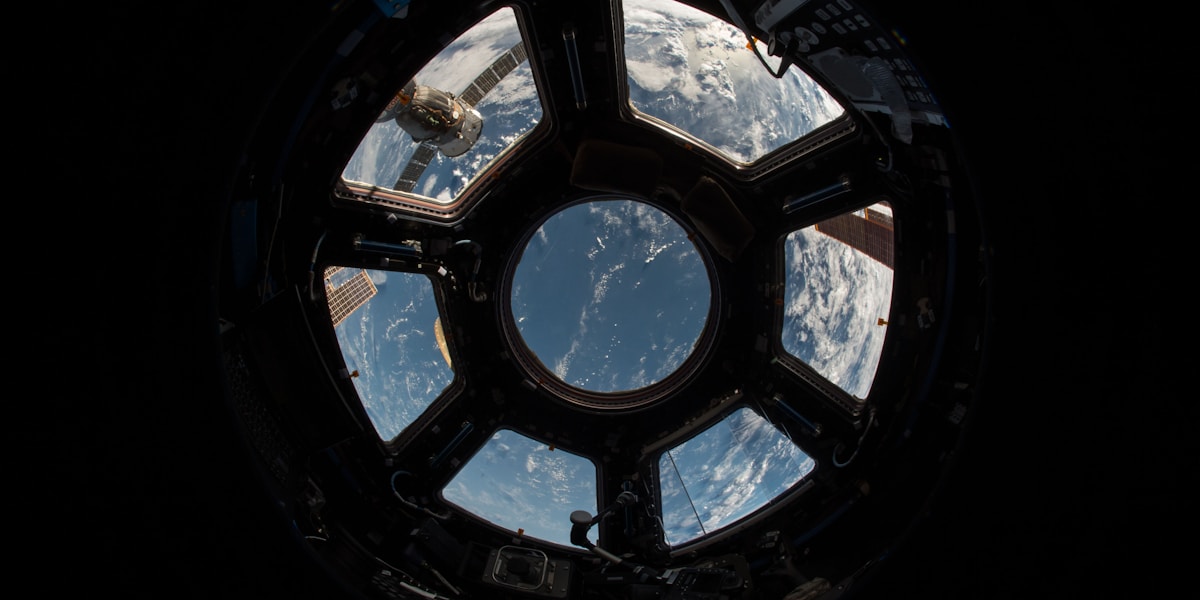
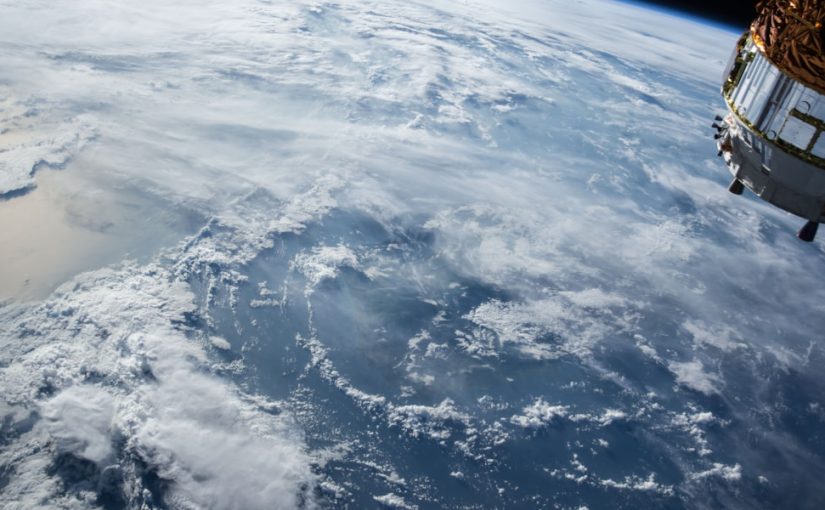
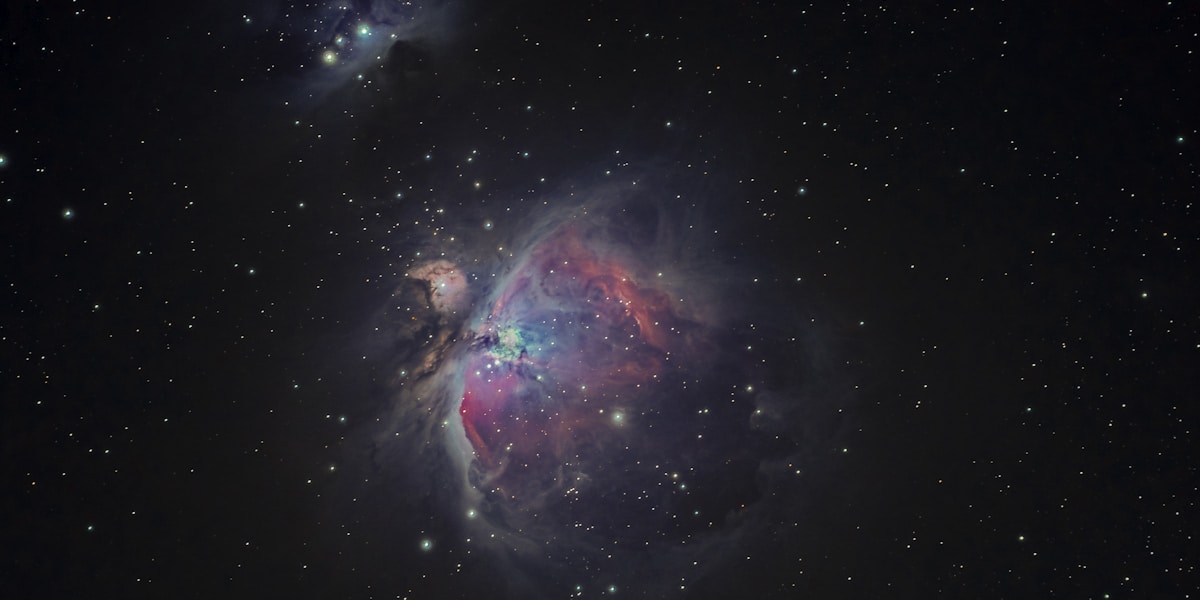
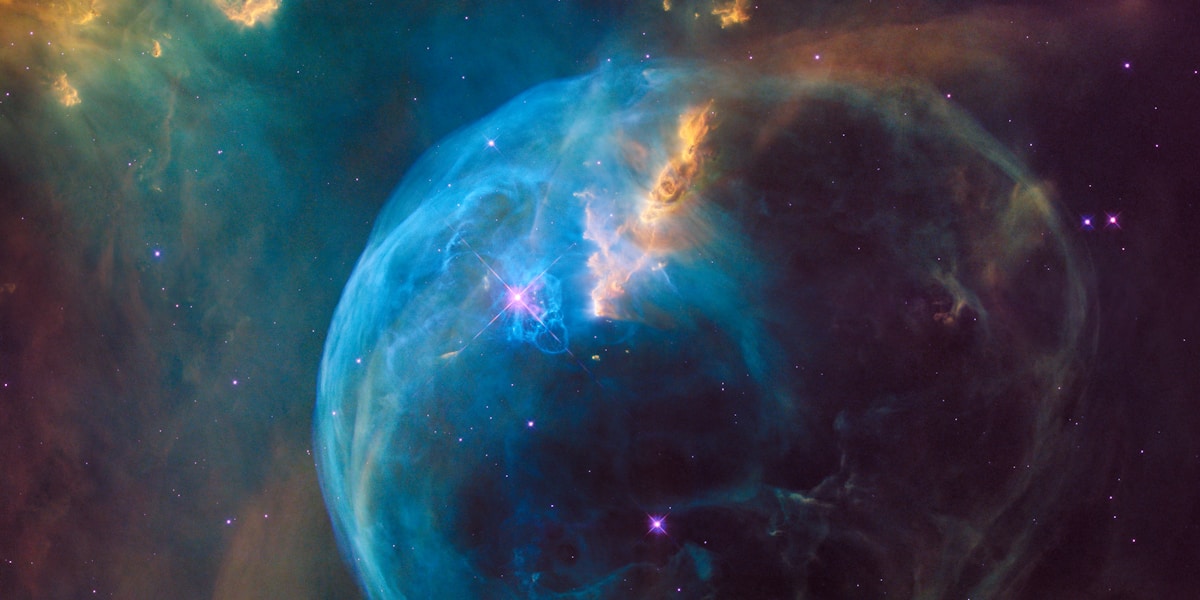
The globe representing the worldwide reach of the International Physics Olympiad
Today, the IPhO brings together students from over 80 countries — a remarkable testament to the universal appeal of physics.

推荐

The Humble Beginnings: Warsaw, 1967

The story of the IPhO begins in the heart of Eastern Europe during the Cold War. In the summer of 1967, the University of Warsaw in Poland hosted the very first International Physics Olympiad, an initiative driven largely by Polish physicists — most notably Romuald Idczak — who recognised both the value of challenging young minds and the potential for academic exchange to bridge political divides.

The scale of that first event would seem almost unimaginable by today's standards. Only five countries sent delegations:

  • 🇵🇱 Poland (Host)
  • 🇧🇬 Bulgaria
  • 🇨🇿 Czechoslovakia
  • 🇭🇺 Hungary
  • 🇷🇴 Romania

In total, just 10 students competed. There was no experimental exam, no elaborate opening ceremony, and no international media coverage. Yet the seed had been planted. The format — challenging, proof-based physics problems that tested deep understanding rather than rote memorisation — proved immediately compelling, and it was clear that something important had begun.

Historic European architecture evoking the atmosphere of Warsaw in 1967 when the IPhO was founded
The historic streets of Warsaw — birthplace of a competition that would grow to encompass the entire world.

The Eastern Bloc Era: 1968–1980s

For its first two decades, the IPhO remained largely an Eastern European and Soviet-aligned affair. The second Olympiad in 1968 (Budapest, Hungary) saw the field expand to seven countries, and the Soviet Union joined in 1970 (Moscow), quickly establishing itself as a dominant force. Cuba, Yugoslavia, and East Germany also became early regular participants.

During this era, the competition's format was refined and standardised. The dual structure of a theoretical examination (typically three problems to be solved in five hours) and an experimental examination (hands-on laboratory work, also five hours) became firmly established. The tradition of awarding gold, silver, and bronze medals to approximately the top 8%, next 17%, and next 25% of participants respectively, was formalised.

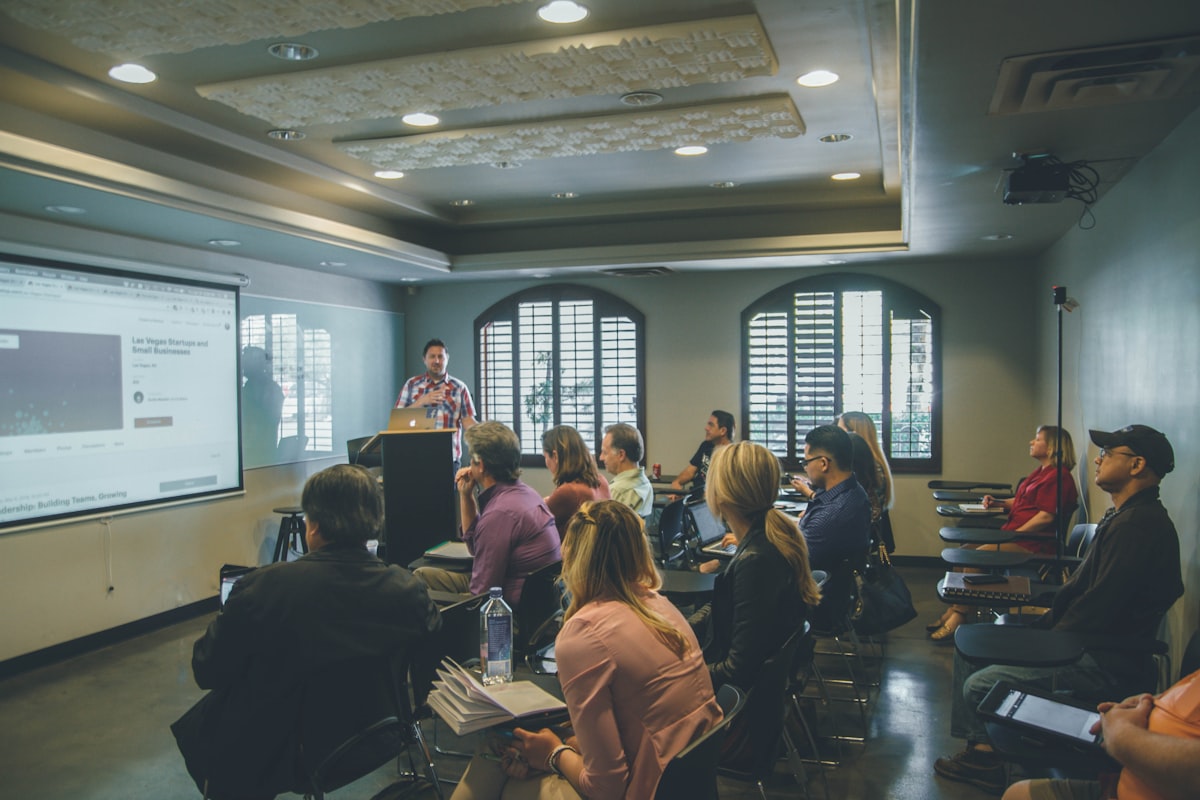
A classic classroom setting representing the educational mission of the early IPhO
In its early decades, the IPhO was primarily an educational initiative, driven by physicists who believed deeply in the power of challenging young minds.

However, the competition was not held every year during this period. Logistical challenges, political tensions, and the difficulty of organising international events in the Cold War era meant that several scheduled Olympiads were cancelled — notably in 1973, 1978, 1980, and 1982. The revival of the IPhO in 1983 in Sinaia, Romania marked a turning point: the competition's momentum was restored, and its rules and syllabus were formalised for the first time.

The Geopolitical Shift: The 1990s and Globalisation

The fall of the Berlin Wall in 1989 and the dissolution of the Soviet Union in 1991 transformed the IPhO almost overnight. Suddenly, the competition was open to the world in a way it had never been before.

Western European nations — including the United Kingdom, France, Germany, and the Netherlands — began sending official delegations. The United States entered for the first time. Most significantly, Asian educational powerhouses — most notably China (first participating in 1993) and India — entered the competition, dramatically raising the overall standard and intensity.

Students from diverse backgrounds collaborating, representing the globalisation of physics education
The 1990s saw the IPhO transform from a regional European event into a truly global competition, welcoming students from every inhabited continent.

Former Soviet republics — including Russia, Ukraine, Kazakhstan, and others — began competing as independent nations. Meanwhile, Southeast Asian countries like Singapore, Thailand, Indonesia, and Vietnam emerged as serious contenders. By the late 1990s, the IPhO regularly attracted 30–40 countries, and the level of competition had reached extraordinary heights.

推荐

The Modern Era: 2000–Present

The new millennium ushered in a period of institutionalisation and massive growth for the IPhO. The IPhO International Board was established to govern the competition, approve host countries, maintain consistent standards, and ensure that the syllabus remained fair and balanced across vastly different educational systems.

Key milestones of the modern era include:

  • 2000s: The IPhO stabilised at approximately 60–70 countries, with rigorous regulations governing everything from exam difficulty to student eligibility
  • 2010s: Participation grew to 70–80 countries; regional spin-offs such as the Asian Physics Olympiad (APhO), the European Union Science Olympiad (EUSO), and various Latin American and African competitions created a year-round ecosystem for young physicists
  • 2020: The COVID-19 pandemic forced the cancellation of the physical event, though many countries participated in remote alternative assessments
  • 2021–2023: The IPhO resumed, with hybrid formats and strict health protocols
  • 2024 (Isfahan, Iran): The 54th IPhO attracted delegations from over 80 countries with more than 400 students
  • 2025 (Tehran, Iran): The 55th IPhO, scheduled for July 2025, is expected to be one of the largest in history
A modern university campus representing the institutionalisation and growth of the IPhO
Today's IPhO events are hosted in world-class university facilities, with elaborate opening ceremonies, cultural excursions, and extensive media coverage.

The Dominant Nations: A Legacy of Excellence

Over more than five decades of competition, certain nations have established themselves as consistent powerhouses in the IPhO. Understanding their success offers valuable insight into what it takes to excel at the highest level.

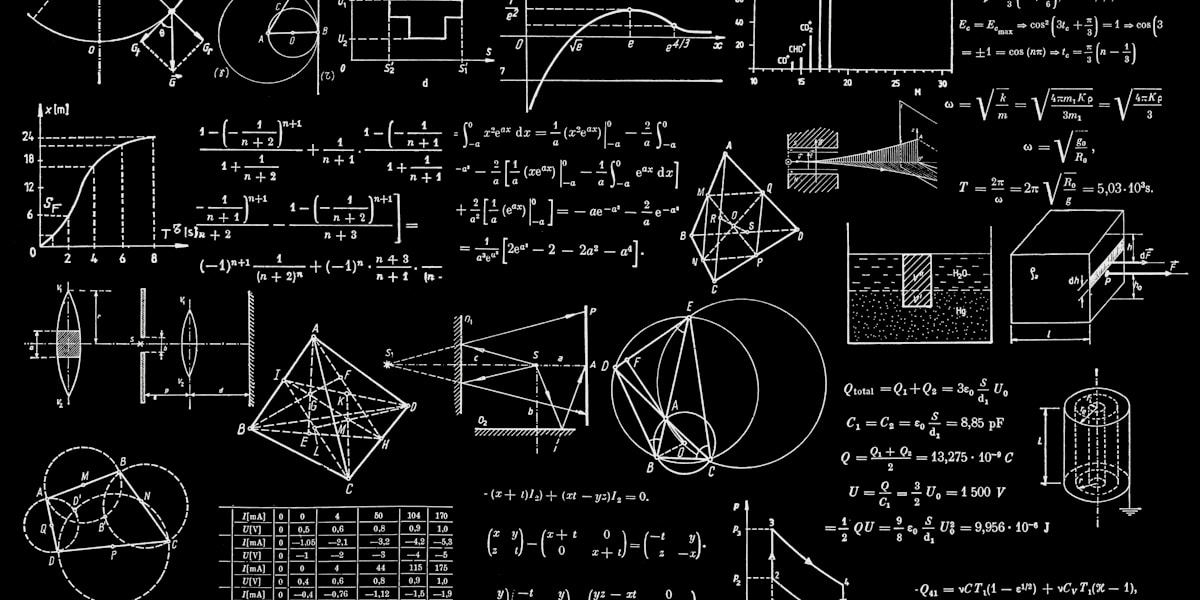
Physics symbols and equations representing the pursuit of scientific excellence across nations
The language of physics is universal — but the training systems that produce olympiad champions vary enormously from country to country.

🇨🇳 China

China has dominated the IPhO for much of the 21st century, regularly winning the most gold medals of any nation. The Chinese system identifies talented students through a multi-tier national competition (the Chinese Physics Olympiad), selects a training squad, and then conducts intensive preparation at specialised centres. The emphasis is on extraordinary mathematical fluency, deep problem-solving practice, and relentless repetition at the highest level.

🇷🇺 Russia

Russia (and before 1991, the Soviet Union) has been a pillar of the IPhO since its early years. The Russian tradition of physics education — characterised by a deep emphasis on theoretical rigour and elegant problem-solving — is embodied in legendary problem books like Irodov's, which have become standard preparation material worldwide. Russian teams consistently perform at the very highest level.

🇰🇷 South Korea

South Korea emerged as a major force in the 2000s and 2010s, consistently winning multiple gold medals. The Korean system combines intense academic preparation with a cultural emphasis on discipline and perseverance, producing students who are exceptionally well-prepared for the pressures of the IPhO.

🇺🇸 United States

The US team has steadily improved since first entering the competition in the early 1990s. The American system, coordinated by the American Association of Physics Teachers (AAPT) and the USAPhO, identifies talent through a multi-round national competition and provides extensive training through summer camps and mentoring programmes. The US approach emphasises creativity and independent thinking alongside technical mastery.
🇬🇧 United Kingdom

The UK's pathway to the IPhO runs through the British Physics Olympiad (BPhO), administered by the University of Oxford. While the UK typically sends smaller teams than the Asian powerhouses, it has an outstanding track record relative to its size, and its selection process is widely admired for its rigour. At IPhO 2024 in Isfahan, the UK team secured 5 medals (2 silver, 3 bronze) plus the Experimental Prize, demonstrating the continued strength of the programme.

🇮🇳 India, 🇸🇬 Singapore, 🇹🇼 Taiwan, 🇯🇵 Japan, and others

These nations have all established formidable olympiad programmes, producing medal winners consistently. India's pathway through the National Standard Examination (NSE) and the Indian National Physics Olympiad (INPhO) is particularly impressive given the enormous scale of the student population. Singapore, despite its small size, regularly punches well above its weight.

The IPhO Format: Two Examinations That Test Every Dimension

The IPhO examination structure has remained remarkably stable over the decades, a testament to the soundness of its original design. Students face two separate examinations, each lasting five hours:

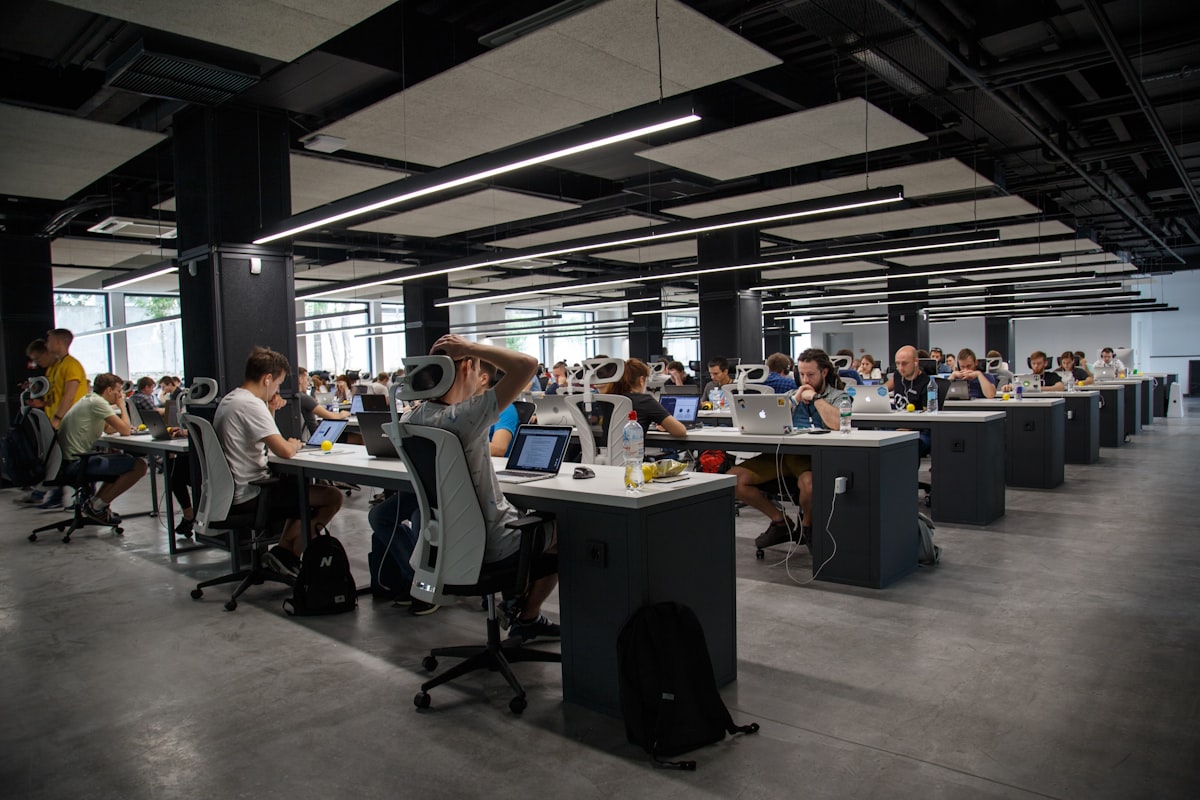
Students presenting their work at an academic competition stage
The IPhO examination — five hours of intense theoretical problem-solving followed by five hours of experimental work — is among the most demanding academic tests in the world.

The Theoretical Examination

Three long-form problems covering the full breadth of pre-university physics: mechanics, electricity and magnetism, waves and optics, thermodynamics, and modern physics. Solutions require full mathematical derivations, clear physical reasoning, and the ability to handle unfamiliar scenarios. The average score across all students is typically around 30–40% of the total marks — a deliberate design choice that ensures the exam truly discriminates between the very best.

The Experimental Examination

One or two laboratory-based problems requiring students to set up apparatus, collect data, analyse results, and present findings with proper uncertainty analysis. This exam tests practical skills that cannot be developed through textbook study alone — hands-on experience in the laboratory is essential. It is widely regarded as the most distinctive and challenging feature of the IPhO.

The Human Dimension: Beyond the Medals

While medals and rankings naturally attract the most attention, the IPhO is far more than a competition. For the thousands of students who have participated over the decades, it represents a transformative experience that shapes careers, forges lifelong friendships, and instills a deep appreciation for the power and beauty of physics.

Young students studying together, representing the next generation of physicists inspired by the IPhO
Every IPhO medallist was once a curious student with a question — the competition exists to nurture that curiosity and help it flourish.

Many former IPhO participants have gone on to distinguished careers in physics, engineering, and related fields. While it is difficult to trace a direct line from olympiad success to Nobel Prize-winning research (the causality runs in both directions), there is no doubt that the skills developed through olympiad preparation — deep analytical thinking, creative problem-solving, mathematical fluency, and the ability to work under pressure — are precisely the skills that define the most successful researchers and engineers.

Perhaps equally important are the personal connections forged at the IPhO. Students who might otherwise never meet — from Tehran, Taipei, London, Lagos, Beijing, and Buenos Aires — spend two weeks living, studying, and competing together. The friendships and collaborations that emerge from this intense shared experience often endure for decades, creating a global network of physicists united by a common passion.

The Road Ahead: IPhO 2025 and Beyond

The 55th International Physics Olympiad in Tehran, Iran (July 2025) promises to be one of the most significant in the competition's history. With over 80 countries expected to participate, and the standard of preparation higher than ever before, the level of competition will be extraordinary.
Looking further ahead, the IPhO faces both opportunities and challenges. The rise of artificial intelligence and computational physics is beginning to influence how physics is taught and practiced, and the IPhO will need to evolve to reflect these changes. The growing global awareness of climate change, energy sustainability, and technological disruption means that the next generation of physicists will be called upon to solve problems of unprecedented complexity — and the IPhO has a role to play in preparing them for that challenge.

Meanwhile, national programmes like the British Physics Olympiad (BPhO), the USAPhO, the Asian Physics Olympiad (APhO), and dozens of others continue to serve as the vital entry points for young physicists worldwide. The IPhO may be the pinnacle, but it is these national competitions — accessible to any student with passion and dedication — that truly matter in identifying and nurturing talent.

A Legacy Written in Equations

From 10 students in Warsaw in 1967 to over 400 in Tehran in 2025. From five Eastern European nations to over 80 countries spanning every inhabited continent. From handwritten exam papers in a single language to sophisticated digital assessments available in dozens. The story of the IPhO is, in many ways, the story of modern physics education itself — a story of growing ambition, deepening rigour, and an ever-widening circle of inclusion.

For any student who picks up a past paper, attends a training session, or takes the leap of entering a national olympiad, the IPhO represents both a challenge and an invitation: a challenge to push the boundaries of what you thought possible, and an invitation to join a global community united by the joy of understanding the physical world.

The next chapter of this extraordinary story is being written right now — by students in classrooms, libraries, and laboratories around the world, solving problems, chasing understanding, and preparing to make their mark.

For more information about the IPhO and the international olympiad calendar, visit the IPhO International Board. For information about the UK's pathway to the IPhO, visit the British Physics Olympiad.

推荐

Mastering the BPhO: Topic-by-Topic Breakdown and Proven Preparation Strategies for Every Round

The British Physics Olympiad (BPhO) is widely regarded as the most challenging and rewarding physics competition available to pre-university students in the United Kingdom. With problems that stretch far beyond the standard A-level curriculum, the BPhO demands not only a comprehensive knowledge of physics but also the ability to think creatively, reason rigorously, and present solutions with clarity and precision. In this article, we provide a detailed, topic-by-topic breakdown of the BPhO syllabus, together with battle-tested preparation strategies drawn from the experience of past medallists, coaches, and examiners.

Physics equations and derivations on a whiteboard representing BPhO-level concepts
BPhO problems require fluency in mathematical derivation and a deep understanding of physical principles — not just the ability to plug numbers into formulas.

Understanding the BPhO Syllabus: What You Need to Know

Before diving into preparation strategies, it is essential to understand the scope of the BPhO. The competition covers six major areas of physics, each with its own distinct flavour and problem-solving techniques. While Round 1 questions are largely based on the A-level syllabus (with extensions), Round 2 and the selection camp venture well into university-level territory.

Here is a comprehensive breakdown of each topic area, including what to expect and how to prepare effectively.

1. Mechanics: The Foundation of Everything

Mechanics is the backbone of the BPhO. Every single paper features mechanics questions, and the ability to set up and solve mechanics problems efficiently is arguably the most important single skill a candidate can develop. Key subtopics include:

Kinematics: Motion in one and two dimensions, projectile motion, relative velocity, and graphical methods

Newton's Laws: Free-body diagrams, connected bodies, friction, and non-inertial reference frames

Momentum and Energy: Conservation laws, elastic and inelastic collisions, centre of mass motion

Circular Motion and Gravitation: Orbital mechanics, satellite motion, Kepler's laws

Oscillations and SHM: Simple and damped harmonic motion, resonance, coupled oscillators

Rigid Body Mechanics: Moments, torque, rotational inertia, and rolling motion (Round 2 and beyond)

A focused student working through complex mechanics problems
Mastering mechanics requires consistent practice — working through problems daily builds the intuition needed for exam conditions.

Preparation Tip: Start by mastering free-body diagrams — they are the single most powerful tool in mechanics. Then, work through problems in increasing order of difficulty. A classic progression is: A-level past papers → BPhO Round 1 past papers → Irodov's "Problems in Elementary Physics" (mechanics section) → Kleppner and Kolenkow's "An Introduction to Mechanics" for Round 2 preparation.

2. Electricity and Magnetism: Circuits, Fields, and Induction

Electricity and magnetism questions test both conceptual understanding and mathematical dexterity. In Round 1, expect circuit analysis problems, questions on electric and magnetic fields, and basic electromagnetic induction. In Round 2, the level of difficulty increases substantially, with questions on Maxwell's equations, wave propagation, and relativistic electrodynamics.

Circuit Analysis: Kirchhoff's laws, Thevenin and Norton equivalents, RC and RL circuits, bridge circuits

Electrostatics: Coulomb's law, electric fields and potentials, Gauss's law, capacitors and dielectrics

Magnetostatics: Magnetic forces on charges and currents, Biot-Savart law, Ampere's law

Electromagnetic Induction: Faraday's law, Lenz's law, motional EMF, transformers, and AC circuits

Detailed handwritten physics notes showing derivations and calculations
Developing your own system of notes and derivations is a powerful study technique — writing things out by hand strengthens understanding far more than passively reading solutions.

Preparation Tip: Build intuition by solving simple circuits symbolically (in terms of variables, not numbers) before moving to complex networks. Griffiths' "Introduction to Electrodynamics" is the gold standard for deeper study at Round 2 level, though it is a challenging text that requires patience.

3. Waves and Optics: From Sound to Light

Wave phenomena and optics form a rich and often surprising area of the BPhO. Questions frequently involve creative applications of interference, diffraction, and the Doppler effect, and can draw on both mechanical waves (sound) and electromagnetic waves (light).

Wave Properties: Superposition, standing waves, resonance in pipes and strings, beats

Doppler Effect: Moving sources and observers, applications to astronomy and radar

Geometrical Optics: Mirrors, thin and thick lenses, ray diagrams, the lensmaker's equation

Physical Optics: Young's double-slit experiment, diffraction gratings, thin-film interference, polarisation

Advanced physics laboratory with precision optical and measurement equipment
Many wave and optics concepts come alive when studied alongside hands-on laboratory experiments — the experimental exam rewards practical intuition.

Preparation Tip: Learn to draw clear, accurate ray diagrams and wave interference patterns. For Round 2, familiarise yourself with the wave equation and basic Fourier analysis. Hecht's "Optics" is an excellent textbook reference.

4. Thermodynamics and Statistical Physics: Heat, Entropy, and the Laws of Nature

Thermodynamics questions in the BPhO test both macroscopic reasoning (gas laws, heat engines, thermal equilibrium) and microscopic/statistical thinking (kinetic theory, Boltzmann distribution, entropy). This is an area where physical insight often matters more than brute-force calculation.

Gas Laws and Kinetic Theory: Ideal gas equation, Maxwell-Boltzmann distribution, mean free path, specific heats

Laws of Thermodynamics: First law (energy conservation), second law (entropy), heat engines and Carnot cycles

Heat Transfer: Conduction, convection, radiation, Stefan-Boltzmann law

Statistical Physics (Round 2+): Microstates, multiplicity, Boltzmann factor, partition functions

Essential textbooks and study resources for physics olympiad preparation
A well-curated collection of textbooks and past papers is an essential investment for any aspiring BPhO candidate.

Preparation Tip: Start with a solid grasp of the ideal gas law and basic calorimetry, then progress to Carnot cycles and entropy. Schroeder's "An Introduction to Thermal Physics" is an outstanding bridge between A-level and olympiad-level thermodynamics.

5. Modern Physics: Relativity, Quantum, and Nuclear

Modern physics questions are a staple of the BPhO, particularly in Round 1 where they often provide an accessible change of pace from the mechanics-heavy questions. In Round 2, modern physics can appear in more advanced guises, including relativistic kinematics and quantum mechanical reasoning.

Special Relativity: Time dilation, length contraction, relativistic energy-momentum, invariant quantities

Quantum Physics: Photoelectric effect, de Broglie wavelength, Bohr model, Heisenberg uncertainty principle

Nuclear Physics: Radioactive decay, binding energy, nuclear reactions, fission and fusion

Particle Physics: Standard model overview, conservation laws, quarks and leptons

University lecture hall where physics olympiad students attend advanced training sessions
Advanced lectures and tutorials during the BPhO training camp at Oxford expose students to university-level modern physics topics.

Preparation Tip: Relativity questions are often highly scoring because the underlying mathematics is straightforward — the challenge is conceptual. Practice Lorentz transformations and energy-momentum diagrams until they become second nature. For quantum topics, focus on the photoelectric effect, Compton scattering, and the Bohr model as these appear most frequently.

6. The Experimental Challenge: Hands-On Physics

The experimental component is what truly distinguishes the IPhO from most other academic competitions. While the BPhO written rounds are entirely theoretical, the training camp and the IPhO itself include a demanding experimental examination where students must design, set up, and analyse a laboratory experiment within a strict time limit.

Students collaborating and studying together in a university library
Peer learning is invaluable — discussing experimental techniques and theoretical concepts with fellow students accelerates understanding.

Key skills for the experimental exam include:

Experimental Design: Identifying variables, choosing appropriate equipment, planning a clear methodology

Data Collection: Taking systematic measurements, recognising and minimising systematic errors

Error Analysis: Propagation of uncertainties, graphical methods for determining relationships, estimating confidence intervals

Lab Report Writing: Presenting results clearly with appropriate tables, graphs, and error bars

Preparation Tip: Practice setting up and analysing experiments at school — even simple experiments (measuring g with a pendulum, verifying Snell's law, determining the speed of sound) build the experimental intuition needed at the highest level. Pay meticulous attention to error analysis, as this is where most students lose marks.

Essential Resources: The Olympiad Library

No serious BPhO preparation is complete without access to the right resources. Here is a curated list of the most highly recommended materials, organised by level:

Graduation cap symbolising academic achievement and the rewards of dedicated preparation
The dedication and discipline developed through olympiad preparation pay dividends far beyond the competition itself — in university admissions, in careers, and in life.

For Round 1 Preparation

BPhO Past Papers (available at bpho.org.uk) — the single most important resource

A-level past papers (AQA, Edexcel, OCR, CIE) — for building foundational fluency

Isaac Physics (isaacphysics.org) — excellent for targeted practice on specific topics

Savage and Walton's "Problem Solving in AS/A2 Physics"

For Round 2 Preparation

Irodov's "Problems in Elementary Physics" — the classic olympiad problem book

Kleppner and Kolenkow's "An Introduction to Mechanics"

Griffiths' "Introduction to Electrodynamics"

Schroeder's "An Introduction to Thermal Physics"

Hecht's "Optics"

French's "Special Relativity"

For the Training Camp and IPhO

Pathfinder for Olympiad Physics by Arvind Tiwari — extremely challenging problems for the final stage

Landau and Lifshitz's course (selected volumes) — for the truly ambitious

Past IPhO papers

A Week-by-Week Preparation Plan

Consistency is more important than intensity. Here is a suggested week-by-week preparation plan for students preparing for the November Round 1:

Weeks 1–6 (Summer holidays): Build foundations. Work through A-level mechanics, electricity, and waves systematically. Complete at least 5 full A-level past papers under timed conditions. Begin reading Kleppner and Kolenkow.

Weeks 7–12 (September–October): Transition to olympiad problems. Work through at least 5 past BPhO Round 1 papers, spending 90 minutes on each under strict exam conditions. Review and re-attempt any questions you could not solve. Study optics and modern physics in depth.

Weeks 13–16 (October–November): Focus on weak areas. Attempt Round 2 past papers to gauge your ceiling. Practice writing full, clear solutions with proper derivations. In the final week, review key formulas and problem-solving strategies — do not try to learn new topics.

Mindset and Exam Technique

Beyond topic knowledge, success in the BPhO requires the right mindset and strong exam technique:

Show all working clearly: Marks are awarded for method, not just the final answer. Write your solutions as if explaining to another student.

Check orders of magnitude: If your answer says a tennis ball moves at the speed of light, something has gone wrong.

Draw diagrams: A clear free-body diagram, circuit schematic, or ray diagram can save time and prevent errors.

Manage your time: In Round 1 Section B, do not spend more than 20 minutes on any one question. Move on and return if time permits.

Stay calm: BPhO papers are designed to be difficult. You are not expected to solve everything. Focus on maximising marks from the questions you can handle.

Final Thoughts: The Journey Matters More Than the Medal

Preparing for the BPhO is one of the most intellectually enriching experiences available to a young physicist. The problems you encounter will challenge you, frustr you, and ultimately transform the way you think about the physical world. Whether your goal is a distinction certificate, a place on the training camp, or a gold medal at the IPhO, the journey itself — the late nights spent wrestling with mechanics problems, the satisfaction of deriving a beautiful result, the friendships forged with fellow enthusiasts — is its own reward.

The official BPhO website at www.bpho.org.uk has all the information you need to register, access past papers, and connect with the wider BPhO community. Talk to your physics teacher about entering, pick up a past paper, and take the first step on a journey that could change your life.

The next generation of physicists is out there, solving problems, chasing understanding, and preparing to make their mark on the world. Perhaps you are one of them.

From Classroom to Gold Medal: The Inspiring Journey of the UK at the International Physics Olympiad

Every year, the world's most talented young physicists gather to compete in one of the most prestigious academic competitions on Earth — the International Physics Olympiad (IPhO). Behind each medal-winning student stands a rigorous selection process, countless hours of dedicated preparation, and a supportive community of teachers, mentors, and peers. In this article, we follow the remarkable journey of the United Kingdom's physics olympiad programme — from the first spark of curiosity in a school classroom to the glory of standing on the international podium.

Oxford University academic building where the BPhO programme is based
The historic academic buildings of Oxford — where the UK Physics Olympiad programme has its roots.

The Birth of a Champion: What Is the British Physics Olympiad?

The British Physics Olympiad (BPhO) is more than just a competition — it is a national institution that has been identifying and nurturing exceptional young physicists for decades. Administered by the BPhO Committee at the University of Oxford and supported by the Institute of Physics (IOP), the BPhO serves a dual purpose: it challenges the brightest pre-university students in the UK with problems that push the boundaries of school-level physics, and it selects the national team that represents the UK on the world stage.

Unlike standard examinations that test recall and routine problem-solving, BPhO questions are designed to assess deep physical understanding, creative reasoning, and the ability to apply fundamental principles in unfamiliar contexts. The problems often draw on topics well beyond the A-level syllabus, requiring students to think like university physicists while still in secondary school.

Physics equations and formulas representing the challenging nature of BPhO problems
BPhO problems demand a level of mathematical and physical sophistication that goes far beyond standard school curricula.

The Selection Pipeline: A Four-Stage Journey

The path from a curious student to an IPhO team member is structured as a carefully designed multi-stage pipeline. Each stage filters for excellence while also providing valuable learning opportunities at every level.

Stage 1: The AS Challenge — Where It All Begins

For most aspiring young physicists, the journey starts with the AS Challenge, typically held in January or February. Designed for students in Year 12 (approximately 16–17 years old), this round provides an accessible yet stimulating introduction to Olympiad-style physics. Many future gold medallists first cut their teeth on the AS Challenge, discovering both the thrill and the challenge of non-standard physics problems.

The AS Challenge is not just for the elite — it is open to any student with a passion for physics, and many participants use it as a learning experience, regardless of their final score. Teachers across the UK actively encourage their students to participate, recognising the educational value of tackling problems that require genuine thought rather than rote application of formulas.

Stage 2: Round 1 — The Senior Challenge

Hold annually in mid-November, the BPhO Round 1 is the flagship competition. Open to students in Year 13 and below (with exceptional younger students also welcome), this 90-minute examination carries 80 marks and consists of two sections:

Section A: Short-answer questions testing breadth of knowledge across mechanics, electricity and magnetism, waves, thermodynamics, optics, and modern physics.

Section B: Longer, more demanding problems requiring full derivations and proofs. Candidates typically attempt 3 out of 5 questions.

Students studying and preparing for physics olympiad exams with books and materials
Dedicated preparation is essential — successful BPhO candidates spend months working through past papers and advanced textbooks.

Performance in Round 1 determines eligibility for certificates (Distinction, Merit, or Certificate of Qualification) and, crucially, invitation to the next stage. Approximately the top 30 performers nationwide advance to Round 2.

Stage 3: Round 2 — The Invitational Round

Held in early February, Round 2 is a significant step up in difficulty. This 2-hour examination, carrying approximately 40–50 marks, features 3–4 extended problems that are comparable in standard to actual IPhO questions. Only by invitation, this round is where the future members of the UK IPhO team begin to separate themselves from an already elite pool.

Science laboratory where physics olympiad students train for experimental challenges
Experimental physics forms a critical part of olympiad training — students learn to design, execute, and analyse sophisticated laboratory experiments.

Stage 4: The Training Camp — Forging the National Team

The top performers from Round 2 are invited to an intensive training camp, typically held at the University of Oxford in the spring. During this camp, students undergo a programme of advanced lectures, problem-solving workshops, laboratory sessions, and mock examinations. The atmosphere is one of intense intellectual engagement, but also of camaraderie — these are students who share an extraordinary passion for physics, and the camp provides a rare opportunity to connect with like-minded peers from across the country.

From this cohort, through a combination of camp performance, additional tests, and careful evaluation by the coaching team, the final 5-member UK team (plus reserves) is selected to compete at the IPhO.

Students collaborating on physics problems together as a team
Collaboration and teamwork are hallmarks of the BPhO training programme — students learn as much from each other as from their mentors.

Glory on the World Stage: The UK at IPhO 2024

The 54th International Physics Olympiad took place in Isfahan, Iran in July 2024, bringing together over 400 students from more than 80 countries. The competition consists of two demanding examinations:

Theoretical Examination: 5 hours to solve 3 complex physics problems covering a wide range of topics

Experimental Examination: 5 hours to design, execute, and analyse a sophisticated laboratory experiment

The UK team rose to the challenge magnificently, securing 5 medals in total:

Study materials and resources used by physics olympiad candidates for exam preparation
Rigorous preparation across both theoretical and experimental components is the hallmark of successful IPhO teams.

🥈 Silver Medals (2):

Ivan Iakovlev — Exeter School (now at New College, Oxford)

Yingxuan (Alex) Wang — St Paul's Girls' School, London

🥉 Bronze Medals (3):

Dmytro Lutsiuk — Oundle School

Ewan McMillan — St Paul's School, London

Daniel Zhao — St Paul's School, London

🏆 Special Prize: Ewan McMillan was awarded the prestigious Experimental Prize, recognising the highest score in the experimental examination among all competitors worldwide — a remarkable achievement that highlights the depth of practical physics training in the UK programme.

The team was led by Dr. Ian Brooks (Head of Delegation) and Dr. Richard Pamm (Deputy Leader), whose dedication and expertise were instrumental in preparing the team for this high-pressure international competition.

A dedicated student studying physics independently with focus and determination
Individual dedication is the foundation of every medal-winning performance — hours of solitary study build the intuition and fluency needed at the highest level.

Looking Ahead: IPhO 2025 in Tehran

The 55th International Physics Olympiad is scheduled to take place in Tehran, Iran, from 19–26 July 2025. This edition is expected to attract delegations from over 80 countries, with more than 400 students and 200 team leaders and observers gathering for a week of intense intellectual competition and cultural exchange.

The eligibility criteria remain consistent: students must have been born after 30 June 2005 and must not have commenced university studies before July 2025. The UK team for IPhO 2025 will be selected through the 2024/2025 BPhO cycle, with the training camp expected to take place in the spring of 2025.

The 2025/2026 BPhO cycle timeline is expected to follow the established pattern:

September–October 2025: Registration opens for schools and centres

Mid-October 2025: Registration deadline

November 2025: Round 1 (Senior Challenge) and AS Challenge

December 2025–January 2026: Round 1 results and invitations to Round 2

February 2026: Round 2 (Invitational Round)

Spring 2026: Training camp at Oxford and final team selection

July 2026: 56th International Physics Olympiad

What Makes the BPhO Special?

The BPhO is not merely a competition — it is a community. Participants often speak of the friendships forged during training camps, the inspiration drawn from meeting peers who share their passion, and the mentorship received from experienced physicists who genuinely care about nurturing the next generation.

For university admissions, a strong BPhO performance carries significant weight. Institutions such as Oxford, Cambridge, Imperial College London, and other Russell Group universities recognise BPhO achievements as evidence of exceptional analytical ability and genuine intellectual curiosity. Many successful BPhO participants go on to study physics, engineering, mathematics, and related subjects at the world's top universities, and some return to the olympiad programme as mentors and coaches themselves.

The programme also plays an important role in diversifying access to elite academic opportunities. By operating through schools and centres across the UK — including state schools and institutions outside the traditional centres of academic excellence — the BPhO helps to identify talent that might otherwise go unnoticed.

A Final Word of Encouragement

If you are a student with a passion for physics, the BPhO offers an unparalleled opportunity to challenge yourself, connect with a community of like-minded peers, and potentially represent your country on the world stage. The journey may be demanding, but it is immensely rewarding — and it begins with a single step: picking up a past paper and trying your first Olympiad problem.

The official BPhO website (www.bpho.org.uk) provides past papers, solutions, syllabus information, and registration details. Your physics teacher or school exams officer can also guide you through the registration process.

Who knows? The next gold medallist could be reading this article right now.

推荐

A Comprehensive Guide to the British Physics Olympiad (BPhO): Everything You Need to Know

The British Physics Olympiad (BPhO) is the United Kingdom's premier physics competition for pre-university students. Organized by the BPhO Committee based at the University of Oxford and supported by the Institute of Physics (IOP), the competition has been inspiring and challenging the brightest young physicists since its establishment. Beyond its domestic prestige, the BPhO serves as the selection pathway for the UK national team that competes at the International Physics Olympiad (IPhO) — one of the most prestigious science competitions for high school students worldwide.

What Is the British Physics Olympiad?

The BPhO is an annual series of physics challenges designed to test students' deep understanding of physics principles, creative problem-solving abilities, and mathematical reasoning. Unlike standard school examinations, BPhO problems are known for being intellectually demanding, often requiring students to apply concepts in novel and unexpected ways. The questions go beyond the standard A-level or Higher syllabus, touching on university-level topics and demanding a level of rigor that sets them apart from typical exam papers.

Each year, thousands of students from schools and colleges across the UK — and increasingly from international centres — participate in the various rounds of the competition. The BPhO is recognized by top universities as a mark of exceptional ability in physics and is highly regarded by admissions tutors at institutions such as Oxford, Cambridge, and Imperial College London.

Competition Structure: From School to International Stage

The BPhO follows a carefully designed multi-stage pipeline that progressively identifies and nurtures the most talented young physicists:

1. The AS Challenge (Round 0)

Targeted at students in Year 12 (or equivalent, such as AS-level students), the AS Challenge serves as an accessible introduction to Olympiad-style physics. It is typically held in January or February and provides younger students with an opportunity to experience challenging, non-standard physics problems before they attempt the senior competition. This round is excellent preparation for those aiming to compete in the main BPhO Challenge the following year.

2. BPhO Round 1 (The Senior Challenge)

This is the flagship round of the competition, held annually in mid-November. Key details include:

Duration: 1 hour 30 minutes (90 minutes)

Total Marks: 80 marks

Format: Two sections — Section 1 contains approximately 15 short-answer questions (15 marks), and Section 2 contains around 5 longer, more challenging questions (65 marks), of which candidates are expected to attempt 3 out of 5.

Eligibility: Open to all students in full-time pre-university education (typically Year 13/S6 and below, including younger students who wish to challenge themselves)

Topics Covered: Mechanics, electricity and magnetism, waves, thermodynamics, optics, and modern physics

Certificates are awarded based on performance: Distinction, Merit, and Certificate of Qualification. Approximately the top 30 performers are invited to proceed to Round 2.

3. BPhO Round 2 (The Invitational Round)

Held in early February of the following year, Round 2 is significantly more challenging and is comparable in difficulty to the International Physics Olympiad itself.

Duration: 2 hours (120 minutes)

Total Marks: Approximately 40–50 marks (varies by year)

Format: Typically 3–4 long, proof-style questions, of which candidates attempt 2–3

Entry: By invitation only (top performers from Round 1)

Results from Round 2 are used to select approximately 5–10 students for the UK IPhO training camp, usually held at the University of Oxford in the spring.

4. Training Camp and UK IPhO Team Selection

The top students from Round 2 are invited to an intensive training camp where they undergo further testing, problem-solving sessions, and mentoring from experienced physicists and former Olympiad participants. From this cohort, the final 5-member UK team (plus reserves) is selected to represent the country at the International Physics Olympiad.

Recent Highlights: UK Team at IPhO 2024

The 54th International Physics Olympiad (IPhO 2024) was held in Isfahan, Iran in July 2024. The UK team delivered a strong performance, securing a total of 5 medals:

Silver Medals: Ivan Iakovlev (Exeter School) and Yingxuan (Alex) Wang (St Paul's Girls' School)

Bronze Medals: Dmytro Lutsiuk (Oundle School), Ewan McMillan (St Paul's School), and Daniel Zhao (St Paul's School)

Special Prize: Ewan McMillan was awarded the Experimental Prize, recognizing the highest score in the experimental examination among all participants

The team was led by Dr. Ian Brooks (Head of Delegation) and Dr. Richard Pamm (Deputy Leader). These outstanding results demonstrate the continued strength of the UK's physics education pipeline and the effectiveness of the BPhO selection process.

Looking Ahead: IPhO 2025 and the 2025/2026 BPhO Cycle

The 55th International Physics Olympiad (IPhO 2025) is scheduled to take place in Tehran, Iran, from July 19–26, 2025. Students must have been born after June 30, 2005, and must not have commenced university studies before July 2025 to be eligible.

For the 2025/2026 BPhO cycle, the expected timeline is as follows:

September–October 2025: Registration opens for schools and centres via the BPhO portal

Mid-October 2025: Registration deadline

Early-to-mid November 2025: BPhO Round 1 (Senior Challenge) and AS Challenge

December 2025–January 2026: Round 1 results published

February 2026: Round 2 (Invitational Round)

Spring 2026: Training camp and final team selection

July 2026: International Physics Olympiad

How to Prepare for the BPhO

Success in the BPhO requires more than just memorizing textbook formulas — it demands genuine physical intuition, mathematical fluency, and the ability to think creatively under pressure. Here are some proven strategies for preparation:

Master the Fundamentals

Ensure a thorough understanding of A-level (or equivalent) physics and mathematics. Key areas include Newtonian mechanics, electromagnetism, wave phenomena, thermal physics, and basic quantum and nuclear physics. A strong foundation in calculus and algebra is essential.

Work Through Past Papers

The BPhO website (bpho.org.uk) maintains a comprehensive archive of past Round 1 and Round 2 papers with detailed solutions. These are widely regarded as the single most valuable preparation resource. Start with older papers and progressively work through to more recent ones.

Study Beyond the Syllabus

Many BPhO questions draw on concepts that extend beyond the standard curriculum. Familiarize yourself with introductory university-level physics textbooks. Recommended resources include:

Problems in Elementary Physics by Irodov — a classic collection of challenging physics problems

The Feynman Lectures on Physics — for deep conceptual understanding

An Introduction to Mechanics by Kleppner and Kolenkow — for advanced mechanics

Introduction to Electrodynamics by Griffiths — for electromagnetism at a higher level

Practice Showing Your Working

In the BPhO, full working must be shown. Marks are awarded not just for the correct answer, but for clear logical steps, proper derivations, appropriate use of units, and correct significant figures. Practice writing solutions that are both rigorous and clearly presented.

Join Study Groups and Seek Mentoring

Many successful BPhO participants benefit from working with peers who share their passion for physics. Study groups, online forums, and mentoring from teachers with Olympiad experience can be invaluable.

Why the BPhO Matters

The BPhO is more than just a competition — it is a gateway to extraordinary opportunities. Participating in the BPhO helps students:

Strengthen university applications: A strong BPhO performance is highly valued by top universities, particularly for physics, engineering, and natural sciences courses.

Develop problem-solving skills: The creative and analytical thinking required for Olympiad physics is transferable to virtually any scientific or engineering discipline.

Connect with a community: The BPhO brings together like-minded students from across the country, fostering friendships and collaborations that often last well beyond the competition itself.

Represent their country: For the very best performers, the BPhO offers the once-in-a-lifetime opportunity to compete on the international stage at the IPhO.

Registration and Eligibility

The BPhO is open to students in full-time pre-university education. Registration is handled through schools and centres — individual students cannot register directly. Teachers or exams officers should visit the official BPhO website (bpho.org.uk) for registration instructions, deadlines, and fee information. International centres may also participate; contact the BPhO Committee for details.

Final Thoughts

The British Physics Olympiad represents the gold standard of physics competitions in the UK. Whether you are a student dreaming of representing your country at the International Physics Olympiad, or simply someone who loves the challenge of solving difficult physics problems, the BPhO offers an enriching and rewarding experience. With the 2025/2026 cycle approaching, now is the perfect time to start preparing.

For the latest information, past papers, and registration details, visit the official website at www.bpho.org.uk.

Good luck to all future participants!

2025 BPhO Round 1 Difficulty Analysis! Plus G9-G11 BPhO Preparation Strategies

As one of the most influential high school physics competitions in the world, the British Physics Olympiad (BPhO) has seen its difficulty increase year by year. In particular, the 2025 BPhO Round 1 not only increased the volume of calculations but also placed higher demands on the application of mathematical tools. This article will analyze the difficulty changes of the 2025 BPhO Round 1 in detail and provide targeted preparation advice for students at different grade levels.

推荐

I. 2025 BPhO Round 1 Difficulty Characteristics

1. Higher Threshold: No "Free Points"

Section 1 used to have a few simple "free points" questions, but in 2025 there were almost none. Even the most basic unit conversion questions (such as those involving the concept of the mole) required candidates to have a solid grasp of fundamental knowledge.

Impact: Lower-grade or less well-prepared students need to pay more attention to building a solid knowledge base and cannot rely on simple questions to gain points.

2. Increased Depth of Calculation: Calculus and Geometric Modeling Appear Frequently

Application of Calculus: For example, finding extreme values (Question c), graphical integration (Question q), etc., requiring candidates to skillfully use calculus to solve physics problems.

Geometric Modeling: For example, rope problems (Question b), balance in a bowl problems (Question k), involving complex geometric reasoning and modeling skills.

Impact: Candidates need to possess strong mathematical tool application skills, particularly in calculus and geometric modeling.

3. Low Tolerance for Errors: Time Pressure and High Question Count

Shortened Exam Duration: Although the number of questions remains high (a–r), the exam time has not been extended accordingly, making the time per question even tighter.

High Requirements for Speed: Each question requires model construction, placing higher demands on candidates' problem-solving speed and efficiency.

Impact: Candidates must quickly understand the context of the problem within a limited time and rapidly construct physical models to answer.

II. G9-G11 BPhO Preparation Strategies

G9 (9th Grade): Solidify Physics Foundation, Introduce Competition Mindset

Knowledge Reserve:

Core IGCSE Physics modules: mechanics, electromagnetism, waves, thermodynamics;

Key focus: vector analysis, conservation of energy, circuit calculations (accounting for over 60% of Round 1 scores);

Supplementary content: initial exposure to advanced concepts such as rigid body rotation and simple harmonic motion.

Competition Goals: Familiarize yourself with the competition format and pace; stimulate an interest in physics and gradually adapt to competition question types.

Preparation Advice: Study BPhO topics alongside your IGCSE Physics course; through past paper practice, become familiar with competition question types and develop problem-solving approaches.

G10 (10th Grade): Strengthen Skills, Aim for Round 1 Awards

Knowledge Reserve:

On the foundation of IG/Pre-IB Physics, supplement advanced A-Level/IB HL Physics content such as rigid body rotation, simple harmonic motion, and basic quantum physics;

These advanced topics are often the "differentiator questions" in Round 1.

Competition Goals: Aim for Gold or Top Gold awards; develop the ability to translate unfamiliar problems into familiar physical models, comprehensively improving knowledge mastery.

Preparation Advice: Identify and fill knowledge gaps according to your school's progress; conduct targeted practice on high-frequency topics to improve speed and accuracy; take regular full-length mock exams to adapt to the competition pace.

G11 (11th Grade): Identify and Reinforce Weaknesses, Aim for Global Top Awards

Knowledge Reserve:

A-Level system: Master all A2 content, supplement advanced topics such as rigid body rotation and thermodynamic cycles;

AP system: Complete Physics 1/2 + C, supplement thermodynamics, wave optics, and relativity using University Physics;

IB system: Prioritize completing IB Physics HL, strengthen long-stem information extraction, and train complex model construction.

Competition Goals: Aim for Global Top awards (top 5% or higher); achieve top-level proficiency in knowledge mastery, problem-solving speed, and model construction.

Preparation Advice: Systematically review all knowledge points; strengthen calculus skills to handle variable force and variable current problems; emphasize error analysis and logical expression in experimental questions.

推荐

III. Preparation Strategies for Different International Curriculum Systems

A-Level System BPhO Preparation

Advantages: A-Level Physics covers a fairly comprehensive range of knowledge and aligns with BPhO question types, making preparation relatively easier.

Challenges: BPhO explores topics in greater depth, requiring supplementary advanced topics such as rigid body rotation and thermodynamic cycles.

Recommendation: Strengthen the use of mathematical tools through calculus courses; try using differentiation/integration to solve variable force and variable current problems.

AP System BPhO Preparation

Advantages: AP Physics C provides a solid foundation, especially in mechanics and electromagnetism.

Challenges: Insufficient coverage of optics, thermodynamics, modern physics, and other areas.

Recommendation: Use University Physics to supplement thermodynamics, wave optics, relativity, and related content; reduce reliance on formulaic calculations and adapt to British-style long-stem questions emphasizing derivation.

IB System BPhO Preparation

Advantages: IB Physics HL covers a wide range of knowledge and fosters strong inquiry skills.

Challenges: Insufficient emphasis on application, particularly in extracting information from long problem statements and constructing complex models.

Recommendation: Prioritize completing IB Physics HL, strengthen long-stem information extraction, train complex model construction, and pay attention to error analysis and logical expression in experimental questions.

推荐

BPhO Round 2: Question Characteristics, Difficulty Trends, and Preparation Strategies

BPhO Round 2 is the advanced selection round in the British Physics Olympiad system. It is open only to students who achieved Top Gold (approximately the top 5% globally) in Round 1. It is not only a key step toward the UK National Team Training Camp, but also a strong academic endorsement for applying to G5 universities (Oxford, Cambridge, Imperial College London) for Physics/Engineering programs. Considering the increased difficulty of Round 1 in 2025 and the extremely challenging trend of the debut Round 0 (R0), Round 2 is highly likely to continue the style of "prioritizing derivation, de-emphasizing memorization, and strengthening modeling." This article will explain the qualification mechanism, exam characteristics, preparation directions, and alternative pathways to help you make scientific decisions and sprint efficiently.

推荐

I. Key Information for the 2026 Season of Round 2

Item Details
Qualification Requirement Achieve Top Gold in 2025 BPhO Round 1 (Qualification is not automatic; manual registration is required).
Registration Method Submit an application through your school or an authorized test center (Limited slots, first-come, first-served).
Exam Date & Time March 7, 2026 (Saturday), 14:00–17:00 (3 hours).
Question Structure 4–5 long questions, each containing multiple sub-questions. Total score is approximately 100 points.
Exam Format Paper-based, offline. A complete derivation process must be shown (answers alone receive no marks).

Important Reminder: Top Gold ≠ Automatic entry! You must contact your instructor promptly after results are announced to complete the registration process. Slots are limited, and in some years, a selection mechanism has been applied due to an excess of applicants.

II. Round 2 Question Characteristics and Difficulty Trends

1. Long Question Stems, Dense Information, and Strong On-the-Spot Learning Component

Each question provides a large amount of background description and newly defined physical quantities/formulas. You must quickly extract the valid information, understand the proposed model, and perform derivations based on the given formulas. Although it resembles an open-book exam, it tests your ability to model on the spot and transfer logic.

2. Broad and Deep Knowledge, Covering Lower-Level University Content

Recent past papers have covered the following topics:

Classical Mechanics: Equations of motion in polar coordinates, elliptical orbital dynamics (astrophysics).

Thermodynamics and Statistics: Phase space, entropy change calculations, variations of the Carnot cycle.

Modern Physics: Relativistic momentum and energy, nuclear binding energy, advanced photoelectric effect.

Mathematical Tools: Differential equations, vector calculus, Taylor expansion approximations.

3. "Trap Question" in the First Section: Everyday Physics + Physical Intuition

This section typically consists of 4–6 independent sub-questions. It tests dimensional analysis, order-of-magnitude estimation, and phenomenon explanation (e.g., "Estimate the total mass of the Earth's atmosphere"). It requires a solid grasp of everyday physics knowledge and the ability to quickly build models.

推荐

III. Round 2 Preparation Advice: Three Steps to Build Higher-Order Physics Thinking

Step 1: Thoroughly Study Past Papers from the Last 10 Years (Core!)

Key training focuses on: Extracting key assumptions and formulas from long question stems; converting unfamiliar scenarios into familiar models (e.g., analogizing "helical motion of a particle in a magnetic field" to "circular motion + uniform linear motion"); and standardizing the presentation of derivation steps (avoiding skipped steps that lead to mark deductions).

Step 2: Preview Classical University-Level Physics Derivations

Although university-level knowledge is not mandatory, the following topics appear frequently. It is recommended to master their derivation logic in advance:

Topic Recommended Content to Master
Mechanics Acceleration expression in polar coordinates, energy conservation in elliptical orbits, inertia tensor (basic).
Electromagnetism Integration of the Biot–Savart law, differential equation for capacitor charging/discharging.
Thermodynamics Statistical definition of entropy, derivation of the polytropic process equation.
Mathematical Tools Taylor expansion approximations, separation of variables for differential equations, geometric meaning of vector cross product.

Step 3: Strengthen "On-the-Spot Learning" Ability

Simulation Training: Find unseen physics competition problems (such as CAP, SIN, IPhO pre-selection questions) and practice reading and deriving under timed conditions. Thinking Training: Practice formulating conclusions by deriving from basic definitions.

IV. Didn't Qualify for Round 2? Don't Panic! Alternative Pathways are Equally Impressive

Situation Recommended Actions
Top Gold in Round 1 but Registration Failed
  • Take the Physics Bowl Division 2 (in March).
  • Prepare for the CAP (Canadian Physics Olympiad, in April) or SIN (Sir Isaac Newton Exam, in May).
  • Study university-level physics in advance (e.g., MIT OpenCourseWare: Mechanics).
Round 1 Gold or Lower
  • Focus on achieving a high score in Physics Bowl D1/D2 (globally recognized).
  • Concentrate on earning A* your school physics courses (AP/IB/A-Level).
  • Participate in research projects or physics topic research.

推荐

2025 BPhO Round 1 Results Officially Released! Score Inquiry & Review Guide! Round 2 Registration Urgent Reminder!

The 2025 BPhO Round 1 results have been officially released!

Although the official cut-off scores appear to have "dropped," the number of award winners has actually decreased significantly, especially the number of Top Gold and Gold winners—this sends a clear signal: the value of BPhO is rising, and competition has entered an era of "high precision and top-tier talent."

This article will delve into the truth behind the 2025 cut-off lines, the reasons for the increased difficulty in winning awards, the score review process, and urgently remind Top Gold winners: Round 2 requires manual registration, and the deadline is today!

推荐

I. 2025 BPhO Round 1 Official Cut-off Scores

Award Cut-off (Total ≈100)
Top Gold 55 points
Gold 40 points
Silver 30 points
Bronze I 20 points
Bronze II 10 points

On the surface: lower than 2024 (Top Gold 60+). In reality: the award ratio has been compressed, and the number of high-scoring participants has dropped sharply!

II. Why are awards harder to win despite lower cut-offs?

Reason 1: Significant increase in question difficulty

Section 1 (Short Questions): Increased calculation load, more traps;

Section 2 (Long Questions): Extremely comprehensive (e.g., integration of mechanics + electromagnetism + energy conservation);

Many problems require university-level physics thinking (e.g., introduction to Lagrangian mechanics, analysis of non-inertial frames);

Requires independent modeling + clear derivation + physical intuition.

Reason 2: Overall rise in participant level + fixed award ratio

In recent years, BPhO‘s popularity has soared, with the number of candidates in China growing from thousands to tens of thousands;

Systematic training by top international schools has led to a concentration of high-scoring participants;

Awards are based on fixed global percentages (e.g., Top Gold ≈ top 1–2%), raising the bar accordingly.

Conclusion: BPhO has evolved from a "competition" into an "elite filter." Relying solely on test preparation is no longer enough to break through.

III. Score Inquiry and Review Guide

Inquiry Methods: Receive your score report via the registration email address; log in to the BPhO official website or the ASEEDER mini-program to check your results.

Review Process: (Consider if your score deviates by more than 20%)
Informal Consultation: Contact your school coordinator or email the official organizers about technical issues (e.g., name misspelling, missing score).
Formal Review: Deadline: Within 21 days of score release; Fee: Approximately £30–50; Materials: Copy of the questions + your personal solution approach + points of challenge regarding the grading rationale.

推荐

IV. Urgent Reminder: Top Gold Winners Must Register for Round 2 Manually!

Important Rule: Achieving Top Gold in BPhO Round 1 does NOT automatically qualify you for Round 2! You must register manually!

Round 2 Key Information:
Exam Date: March 7, 2026 (Saturday) 14:00–17:00
Registration Deadline: March 1, 2026 (today!)
Eligibility Requirement: 2025 R1 score ≥55 points (Top Gold)

Round 2 Characteristics:
Fewer but much deeper questions: Typically 3–4 long problems, each taking 30–50 minutes;
Content beyond the syllabus: Involves fluid mechanics, rigid body rotation, differential equations of simple harmonic motion, relativistic dynamics, etc.;
High language proficiency required: Must write complete derivations in English, with rigorous logic accounting for a significant portion of the score.

V. Is Round 2 Worth Taking? Two Core Values

1. "Ultimate endorsement" for top-tier university applications
Oxford/Cambridge Physics/Engineering Departments: Approximately 70% of admitted students have BPhO experience;
Imperial College, UCL, MIT, Caltech: View BPhO Round 2 scores as a core indicator of academic potential;
Showcasing Round 2 problem-solving approaches in your PS or interviews can greatly enhance your credibility.

2. The ultimate test of academic ability
Round 2 problems are close in difficulty to the Oxford PAT and Cambridge NSAA final questions;
The preparation process = early exposure to core first-year university physics methodologies;
Cultivates research-level thinking such as independent modeling, limit analysis, and dimensional checking.

Suitable for: Those who have already won a Top Gold in R1 and are targeting G5/Top 10 STEM programs; those with a strong passion for physics who are willing to challenge high-level problems.

推荐

2026 IPC & SPC Online Score Cutoffs Released! IPC/SPC Selection Strategy + 2026 Quota Rules + Winning Path

BPhO is one of the most influential high school physics competitions in the world. Supported by the University of Oxford's Physics Department, its results are highly recognized by G5 schools such as Oxford, Cambridge, Imperial College London, and UCL, making it a "golden credential" for applying to top UK STEM programs.

However, starting from 2026, the number of BPhO Round 1 slots in the China region has been significantly tightened to 3,500, with 97% of these slots directly tied to awards from the prerequisite IPC/SPC competitions. This means: without winning a high award in IPC or SPC, it is almost impossible to take part in BPhO! This article will comprehensively analyze the 2026 BPhO quota rules, IPC/SPC score cutoffs, competition positioning differences, and grade-specific selection strategies, helping you plan accurately and secure a precious exam seat.

推荐

I. 2026 BPhO China Region Major Change: "Ticket System" for Slots

Core Rules:
Total Slots: Only 3,500 people can take BPhO Round 1 (China region);
Allocation Method: 3,400 slots → Reserved for IPC/SPC award winners (allocated by award level priority);
Only 100 slots → Reserved for students with extremely high scores in Round 0.
Far-reaching Impact: IPC/SPC is no longer an "option," but a "necessary path"! The previous channel for directly registering for BPhO through schools or institutions has been largely closed.

II. 2026 IPC & SPC Online Score Cutoffs

Competition Gold Silver Bronze
IPC Online ≥22 points ≥14 points ≥8 points
SPC Online ≥28 points ≥22 points ≥9 points

Note: The online version consists of 40 multiple-choice questions over 60 minutes, with lower difficulty than the offline official competition. Gold/Silver awards are key to securing BPhO slots; aiming for Gold is recommended!

III. IPC vs. SPC: How to Choose? — Precisely Match Your Grade Level

Comparison of Competition Positioning

Dimension IPC SPC
Suitable Grade Levels Grades 9–10 Grades 10–11
Knowledge Alignment GCSE / AS Level A-Level / AP Physics C
Core Content Mechanics, Electricity, Thermodynamics, Waves Astrophysics, Fluid Mechanics, Introduction to Relativity, Complex Circuits
Question Types Multiple choice + Short answer + Extended questions Mostly extended questions, emphasizing modeling and derivation
Difficulty Moderate, focuses on conceptual understanding Advanced, focuses on comprehensive application and innovative thinking

推荐

IV. Grade-Specific Selection Strategies (2026 Latest Advice)

Grade 9 Students
Primary Focus: IPC Online (get a feel for the pace) + IPC Offline (March);
Goal: Aim for IPC Gold to pave the way for advancement in Grade 10;
Advantage: Ample time, low trial cost, secure BPhO eligibility early.

Grade 10 Students — A Critical Decision Year!
Most students → Choose IPC: High knowledge alignment, greater chance of achieving Gold; IPC Gold = Direct access to first batch of BPhO slots.
Only top Physics students (e.g., those who have completed AP Physics C) → Challenge SPC: Demonstrate academic depth, build material for Oxbridge interviews.
Do not blindly aim for SPC: If you fail to win an award in SPC, you may miss the safety net of IPC, resulting in missing out on BPhO!

Grade 11 Students
Must choose SPC: Limited time, need to directly connect to BPhO Round 1 (November);
SPC high award = BPhO entry ticket + highlight for Oxbridge personal statement;
Simultaneously begin BPhO past paper training for a seamless transition.

V. Online vs. Offline: Differences and Strategies

Feature Online Version Offline Official Version
Question Types 40 multiple-choice questions Multiple choice + Short answer + Extended questions
Difficulty Basic, focuses on concepts Advanced, focuses on reasoning and modeling
Purpose Initial experience, benchmark test Key to determining BPhO slots
Registration Can be registered separately or together with offline Must go through schools or authorized test centers

Recommended Strategy: Take the Online version first → Analyze weaknesses → Prepare targeted for the offline competition to maximize your chance of winning awards.

VI. Why Are IPC/SPC So Important?

1. BPhO Entry Ticket: From 2026 onwards, without a high IPC/SPC award, you essentially have no access to BPhO.
2. Strong Endorsement for Oxbridge/G5 Applications: BPhO Round 1 Distinction (top 10%) is an important reference for Oxford Physics and Cambridge NSAA; an IPC/SPC Gold award can be included in your personal statement to demonstrate "sustained academic commitment."
3. Comprehensive Skill Enhancement: Train physics modeling, dimensional analysis, and limit thinking; adapt early to university physics exam formats (emphasizing process and derivation).

推荐

BPhO Subjects Overview: What physics and math topics are required? Why does BPhO take more than half a year to prepare?

For students determined to pursue physics, the BPhO (British Physics Olympiad) is an indispensable "ultimate challenge". It attracts tens of thousands of students from around the world each year, yet the participation rate is less than 5%.

推荐

BPhO Exam Content

Mechanics: Calculations of kinematics, application of Newton's Three Laws, momentum, kinetic energy, calculation methods of angular momentum, fundamental principles of circular motion – centripetal force, angular velocity, linear velocity, and their applications.

Electromagnetism: Basic components of circuits, Ohm's Law, concepts of resistance, capacitance, inductance and their applications; electric field strength, electric potential, potential energy, Coulomb's Law, calculation methods for electric fields and potentials; fundamental properties of magnetic fields, magnetic flux density, Ampère's Law, Faraday's Law of Electromagnetic Induction.

Optics: Basic principles of the photoelectric effect, reflection, refraction, interference, the photoelectric equation and its applications.

Thermodynamics: Principles of heat engine operation, molecular motion, internal energy, the First Law of Thermodynamics and its applications.

Modern Physics: Basic concepts of quantum mechanics, wave-particle duality, atomic structure, and more.

Key Characteristics of BPhO

Low Entry Threshold: BPhO welcomes students of all ages and backgrounds who are passionate about physics. This low-threshold design encourages broader participation, fostering widespread scientific literacy.

Emphasis on Logical Reasoning: Problem-solving processes are essential. BPhO emphasizes the completeness and clarity of logical steps, requiring candidates to detail each step of their derivation. Obtaining the correct answer alone is insufficient – the reasoning behind it must be shown. A partial credit system is in place; if a student's answer is not entirely correct but demonstrates a valid thought process, they can still receive some points.

Proficiency Through Practice: Although the entry threshold is low, achieving excellent results in BPhO requires extensive practice and experience. Consistent problem-solving helps students internalize effective techniques, enhancing their reasoning and analytical abilities.

Why does BPhO require more than six months of preparation?

Extensive Coverage: BPhO covers not only the standard high school physics curriculum but also some introductory university-level mathematics and physics. Therefore, students need extra time to learn and master material beyond their regular coursework.

High Complexity: Compared to other physics competitions, BPhO has a higher difficulty level, demanding stronger theoretical foundations and problem-solving skills. More time is needed for in-depth learning and practice.

Conflict with Other Exams: Many international students also need to prepare for major exams, which may overlap with the BPhO schedule. To avoid time pressure and balance all tests, it is advisable to start BPhO preparation at least six months in advance.

推荐

2026 BPhO China Registration Tightened! From Round 0 to Round 1 — What's Tested and How to Prepare by Grade Level

Starting in 2026, BPhO (British Physics Olympiad) will implement the strictest registration restrictions to date in the China region, including Hong Kong and Macau:

✅ Only 3,500 total test seats

✅ Released in three batches, allocated based on performance priority

✅ Those without prerequisite awards may be unable to register

This means: BPhO is no longer an open competition where "anyone who wants to can sign up." Instead, it has become a high‑threshold academic selection process where "you must compete for your seat with your own ability." This article will analyze the 2026 new rules in detail, explain changes in exam content, and provide a phased preparation roadmap for grades 9–11 to help you lock in your eligibility early and make a strong push for the Gold Award!

推荐

I. 2026 BPhO China Registration New Rules: Three‑Batch Allocation, Priority to Those with Better Achievements

General principles:
Total test seats in China region (including Hong Kong and Macau): 3,500 (slightly higher than previous years, but competition is more intense).
Students from U.S. high schools are not restricted and can still register directly through their school test centers.
Mainland Chinese students must register through ASDAN or other official partner channels.

Three-Batch Registration Arrangement

First batch (priority channel | deadline August 2026):
Open only to the following students:
- Recipients of 2026 SPC / SPC Online Global Gold, Silver, or Bronze Awards
- Recipients of 2026 IPC / IPC Online Global Gold Award

Second batch (secondary channel | deadline September 2026):
If seats remain after the first batch, open to:
- Recipients of IPC / IPC Online Global Silver or Bronze Awards
If no seats remain, registration closes directly.

Third batch (general channel | opens September 2026):
Only opened to other students if seats still remain after the second batch.
On a first‑come, first‑served basis until full.
Highly likely that you will not secure a seat (registration for Round 1 in recent years often exceeds 5,000).

II. Detailed Breakdown of BPhO Exam Content: From Round 0 to Round 1

Round 0 (used for internal screening by some schools):
25 multiple‑choice questions.
Content: IGCSE / AS basic physics (does not include electric fields, magnetic fields, or particle physics).
Not counted towards official awards; only used as an initial screening.

Round 1 (core competition):

Section Question Type Scoring Rule Answering Requirements
Section 1 Approximately 23 short‑answer questions (difficulty ranges from 3–10 points each) Select questions to accumulate 50 points; exceeding 50 does not incur a penalty, but the total score is capped at 50. A complete derivation must be shown; answers alone receive 0 points.
Section 2 Approximately 5 long‑answer questions, each with multiple sub‑questions Choose 2 questions to answer; each is worth 25 points, for a total of 50 points. A complete logical chain is also required; correct partial reasoning earns partial credit.

Total score = Section 1 (≤50) + Section 2 (≤50) = maximum 100 points.

Scoring core: Logical reasoning > Final answer.

推荐

III. Scientific Preparation Plan by Grade: Start Early, Secure Your "Entry Ticket"

Grade 9: Build a foundation + obtain prerequisite awards

Physics foundation: Complete all IGCSE content; advanced students should preview A‑Level AS Physics.

Mathematics preparation: Master algebra, trigonometry, vectors, and basic calculus.

Competition pathway:
→ Take the IPC Online (March 2026) or SPC Online (May 2026)
→ Aim for at least an IPC Bronze Award or SPC Silver Award to secure priority registration eligibility for BPhO
→ Goal: Pave the way for aiming for a BPhO Gold Award in Grade 10.

Grade 10: A watershed year + systematic offensive

Knowledge system: Systematically learn A‑Level AS Physics (mechanics, electricity, waves, thermodynamics).

Skill enhancement:
Start training in writing proof‑based solutions.
Supplement with introductory university physics content (e.g., the differential equation for simple harmonic oscillation).

Competition combination:
→ Warm up by taking the Physics Bowl (March)
→ Then make a strong push for SPC / IPC (May) to secure registration eligibility
→ Fully commit to preparing for BPhO Round 1 (November)
→ Goal: Start with a BPhO Silver Award and strive for a Gold Award.

Grade 11: Aim for awards + enhance your application

Core tasks: Thoroughly digest BPhO past papers from the last five years; master high‑frequency models (e.g., rigid body rotation, comprehensive electromagnetic induction).

Training focus:
Time management (complete 4–5 questions in 3 hours).
Flexible application of calculus in problem‑solving.
Multi‑module integrated questions (e.g., thermodynamics + statistics).

Application linkage:
→ Incorporate BPhO problem‑solving approaches into your personal statement.
→ Reference relevant models during Oxford or Cambridge interviews.
→ Goal: BPhO Gold Award + eligibility for Round 2.

推荐

Online Customer Service
Contact Customer Service