
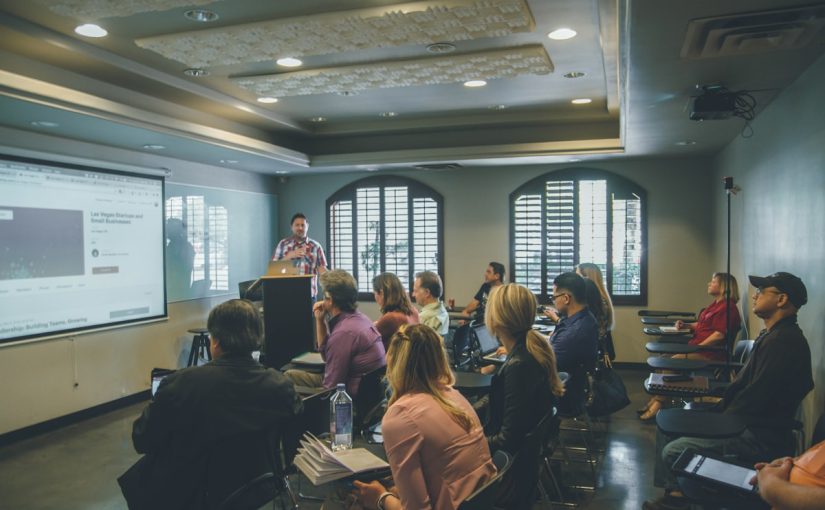
There is a photograph that never gets taken. It is not of the student on the stage, receiving the medal. It is not of the student at the exam desk, pen in hand, solving the problem that will change their life. It is of the teacher — standing in an empty classroom at half past six on a Friday evening, erasing a whiteboard covered in equations that no one else will ever see. The students have gone home. The cleaners will be here soon. But the teacher is still there, going over the derivation one more time, checking the algebra, making sure that what they will present on Monday morning is as clear and as correct as they can make it. This is the image that the BPhO story rarely tells — the image of the person who made it all possible.
Every BPhO medallist, every IPhO team member, every student who has ever walked into a training camp at Oxford with a suitcase full of hope and a head full of equations, has behind them a teacher or a coach who believed in them before they believed in themselves. This article is for those teachers. It is a tribute to the people who stay late, who mark papers on weekends, who drive students to training camps at their own expense, who find the past papers and the textbooks and the problems that will stretch a young mind just far enough — and who do all of this not for recognition, not for payment, but because they love physics, and they love watching a young person fall in love with it too.

The First Spark
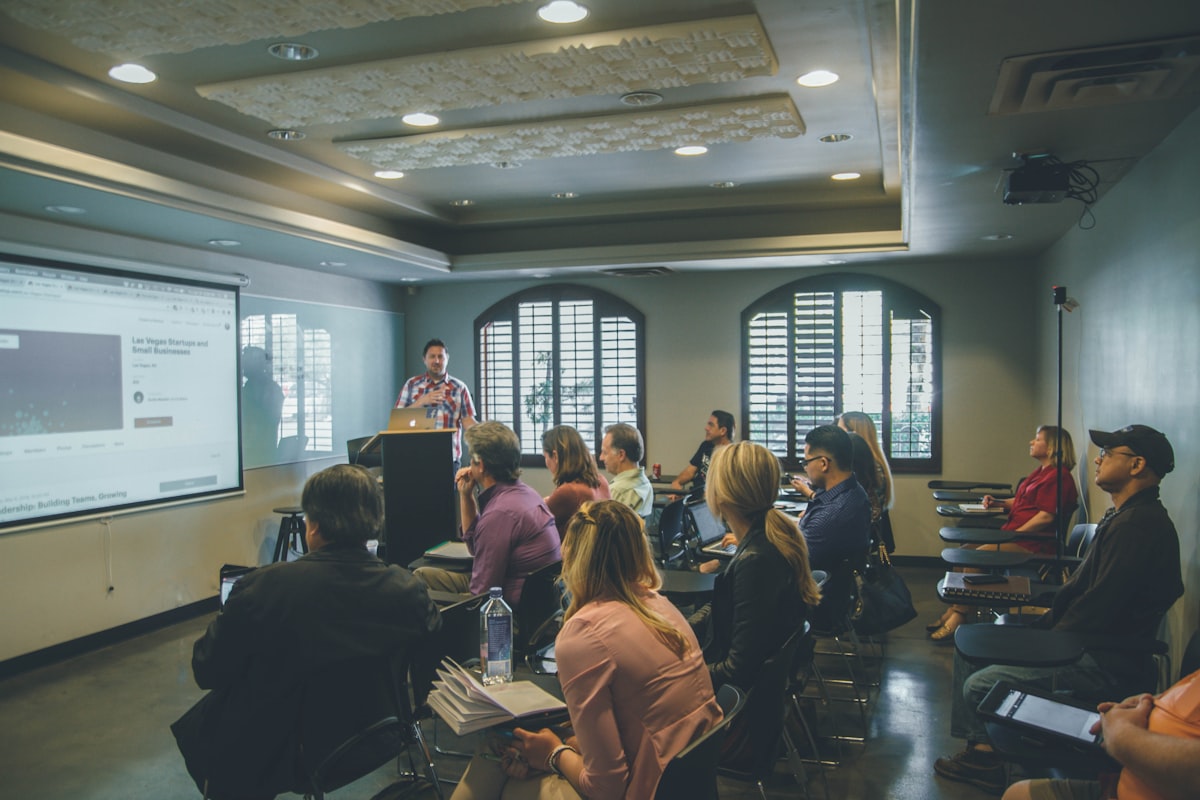
For most BPhO students, the journey begins with a teacher. Not a famous professor, not a university lecturer, not a celebrity physicist on YouTube. A teacher. The one who stands at the front of Room 14 on a Tuesday afternoon and says, "This is what the exam board wants you to know. But here is something else. Here is something more beautiful." And then they show you a problem that is not on the syllabus, a derivation that is not in the textbook, a way of looking at a pendulum or a circuit or a beam of light that makes you stop and think, I did not know physics could be like this.
That teacher may not call themselves a coach. They may not have any formal training in olympiad preparation. They may be a newly qualified teacher in their second year, or a veteran with thirty years of experience, or someone who teaches three different subjects because the school is small and the budget is tight. What they share is not a qualification or a title. It is a refusal to accept that the syllabus is the limit of what a student can achieve. It is the conviction that the students in front of them are capable of more than the system asks of them, and the willingness to stay behind after the bell has gone to prove it.
This is how every BPhO story begins. Not with a medal. Not with a university offer. Not with a training camp at Oxford. With a teacher, in a classroom, after the bell has gone, saying, "Let me show you something."
The Weekend Marking
No one talks about the marking. The BPhO is a competition, and competitions have papers, and papers have to be marked, and the marking falls not on the BPhO Committee but on the teachers who prepare their students for the exam. On a Saturday morning in October, while the rest of the world is sleeping in or walking the dog or watching television, the physics teacher is sitting at their kitchen table with a stack of past papers and a red pen, working through the solutions for the forty-third time, making sure they understand every step so that they can explain it clearly on Monday morning.
This is not glamorous work. It is not celebrated. There is no award for the teacher who marks the most BPhO papers in a year, no recognition for the one who stays up until midnight checking the algebra in a solution to a coupled oscillator problem. But it is essential work, and it is done, year after year, by people who could be spending their weekends in any number of more pleasant ways, but who choose to spend them here, at the kitchen table, with the red pen and the stack of papers, because they know that somewhere in that stack is the student who needs this.
The Conversation After Class
There is a particular kind of conversation that happens after class, when the other students have gone and the teacher is packing away their notes, and one student lingers at the door with a question that is not really about the lesson. "I was looking at this problem," they say, "and I couldn't figure out why this approximation works." And the teacher puts down their bag, and sits on the edge of the desk, and says, "Show me." And then they work through it together, not as teacher and student but as two people looking at the same problem from slightly different angles, trying to see it clearly.
This conversation is not in the lesson plan. It is not in the timetable. It is not assessed, examined, or recorded in any register. But it is the most important education that happens in a school — the education that happens in the margins, in the gaps, in the unscripted moments when a teacher decides that a student's question is worth more than their bus home.
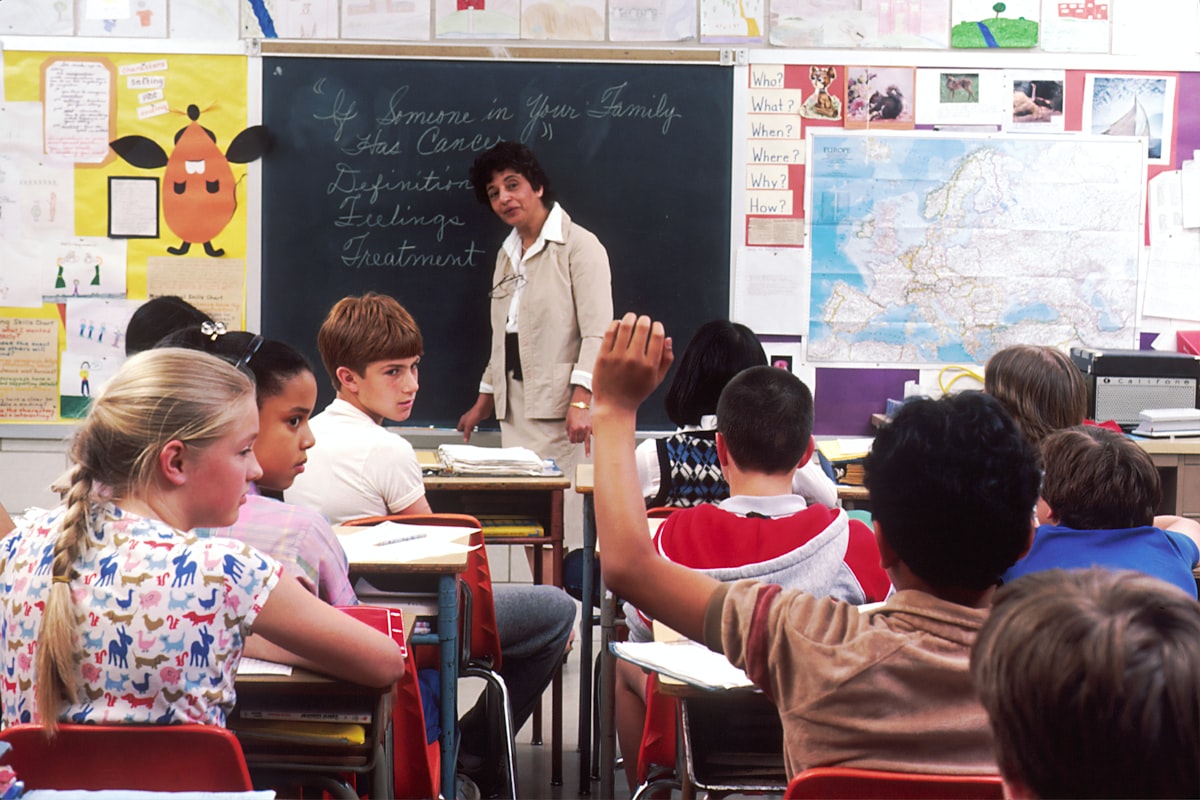
The teachers who make a difference in the BPhO are not the ones who deliver the most polished lectures. They are the ones who sit on the edge of the desk. The ones who say, "I don't know, let's work it out together." The ones who treat a student's confusion not as a failure but as an invitation — an invitation to think more deeply, to look more carefully, to find the understanding that lies just beyond the confusion.
The Drive to the Training Camp
In the spring, when the Round 2 results come out and the invitations to the training camp arrive, there is another kind of teacher work that no one sees. The emails to parents, reassuring them that their child will be safe and well cared for. The conversations with the school office, arranging cover for the lessons that will be missed. The drive to the station, or the airport, or the training camp itself — often at the teacher's own expense, often on a day when they could be doing anything else, but which they spend in a car or on a train, making sure that the student they have spent months preparing arrives where they need to be.

There is a particular pride that a teacher feels when they watch their student walk into the training camp — a pride that is different from parental pride, different from the pride of a coach whose team has won a match. It is the pride of someone who has planted a seed and watched it grow, who has given a young person not just knowledge but confidence, not just skills but the belief that they are capable of more than they thought. The teacher does not go into the training camp. They do not sit in the lectures or work through the problems. They wait outside, in the car park or the café, and they hope, and they wait, and when the student comes out at the end of the day, tired and exhilarated and full of stories, the teacher says, "How was it?" And the student says, "Amazing." And that is enough. That is more than enough.
The Empty Classroom
At the end of the day, when the last student has gone and the last equation has been erased from the whiteboard, the classroom is empty. The chairs are pushed back, the lights are off, and the room smells faintly of whiteboard marker and the particular mustiness of a space that has been filled all day with thought and argument and the quiet intensity of people trying to understand something difficult. This is the room where it happened — where the first spark was lit, where the first problem was solved, where the first "I don't understand" became the first "I see."

The teacher locks the door and walks down the corridor, and the building settles into its evening silence, and somewhere in a drawer in the staff room there is a stack of past papers with a red pen on top of them, waiting for Saturday morning. The work is never finished. It is never completed. There is always another problem to solve, another student to help, another derivation to check. This is the nature of teaching — and the teachers who do it well, who do it for the BPhO and for the students who will carry physics into their futures, know this, and accept it, and find in it a satisfaction that no medal or certificate can provide.
The Letters That Never Get Sent
Years later, when the student has gone to university, and perhaps to graduate school, and perhaps into a career in physics or engineering or finance or teaching itself, they sometimes think about the teacher who started it all. They think about the conversation after class, the Saturday morning marking, the drive to the training camp. They think about the moment when the teacher said, "You can do this," and they believed them, not because the teacher was necessarily right, but because the teacher cared enough to say it.
They sometimes write a letter, in their head, that they never send. "Thank you," it says. "Thank you for staying late. Thank you for marking the papers on Saturday. Thank you for driving me to the camp. Thank you for believing in me when I didn't believe in myself. I don't know where I would be without you, but I know it would be a smaller, poorer place." The letter is never sent, because it is never the right time, because the words never seem adequate, because the teacher has moved on to another school or another year group and the moment has passed. But the gratitude remains, quiet and permanent, like the equations in the back of a notebook that you never throw away.
The Coaches at the Training Camp
There is another group of people who deserve recognition: the coaches at the BPhO training camp. These are usually graduate students, postdoctoral researchers, or young academics who give up a week of their own research to work with the next generation of physicists. They are not famous. They are not well paid. Many of them are at the beginning of their own careers, struggling with their own theses and their own uncertainties, and yet they choose to spend their spring break in a college in Oxford, working through problems with teenagers, because they remember what it was like to be those teenagers, and they remember the coaches who helped them, and they want to pass it on.
The coaches at the training camp do something that no textbook can do. They sit down with a student who is stuck, and they do not give them the answer. They ask a question. "What do you notice about the symmetry here? What happens if you change the coordinate system? What is the limiting case?" Each question is a small key, and the student has to find the lock themselves, but the coach is there, beside them, not ahead of them, not above them, but beside them, working through the problem together, in the same room, at the same table, breathing the same air.
This is what teaching looks like at its best. Not a lecture. Not a demonstration. Not a performance. A conversation. A shared inquiry. Two people looking at the same problem and trying to see it more clearly, together.
The Legacy
The legacy of the BPhO is not measured in medals. It is not measured in university offers, or in the careers of its alumni, or in the papers they publish or the companies they found. The legacy of the BPhO is measured in the teachers who were inspired by it, who saw what it could do for their students, and who decided to give their time and their energy and their weekends to making it happen.
Every year, a new cohort of teachers discovers the BPhO. They find the past papers on the website, and they work through them, and they think, "I could do this with my students." And then they do. They stay late on a Tuesday. They mark papers on a Saturday. They drive a student to a training camp. They sit on the edge of a desk and work through a problem with a student who is confused and frustrated and on the verge of giving up, and they say, "Let's try it this way," and the confusion lifts, and the student sees it, and the teacher smiles, and the bell goes, and the classroom empties, and the teacher erases the whiteboard, and the cycle begins again.
A Final Word
If you are a teacher reading this, and you have ever stayed late to help a student with a BPhO problem, or marked a past paper on a weekend, or driven a student to a training camp, or simply told a student that they were capable of more than they thought — this article is for you. Thank you. Thank you for the hours that no one sees. Thank you for the patience that no one measures. Thank you for the faith that no one rewards. You are the reason the BPhO exists. You are the reason students walk into exam halls with confidence. You are the reason the medals mean something. You are the reason the physics lives on.
And if you are a student reading this, and you are thinking about your own teacher — the one who stayed late, who marked the papers, who drove you to the camp, who sat on the edge of the desk and worked through the problem with you — say thank you. Say it now. Do not wait for the letter that you will never send. Say it today, in the corridor, after the bell has gone. Say, "Thank you. I could not have done this without you." And mean it. Because you could not have.
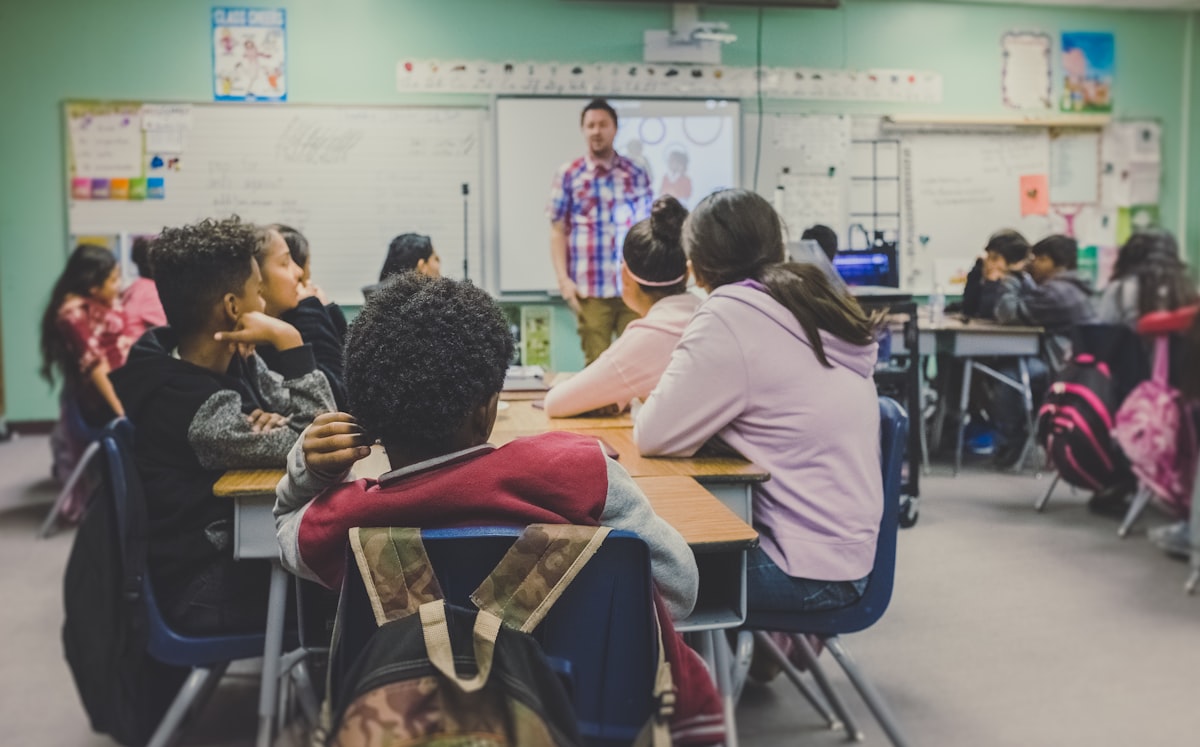
The book is open. The equation is on the whiteboard. The student is at the door with a question. And the teacher puts down their bag, and sits on the edge of the desk, and says, "Show me." And the story begins again.